Life on the farm lately, what’s coming next, and why our prices look the way they do.
Next Deliveries: January 17
Our next delivery date is January 17. If you’re running low or planning ahead, now’s a good time to place your order. We’ll be heading out as usual and will share reminders closer to the date.
A Little Farm Update
This past week was a mixed one around here.
Bree had the flu and was home all week, thankfully getting lots of extra love and snuggles with G. Blake was finally over his flu and was able to enjoy being back at daycare, which felt like a small win after a rough stretch.
We also made deliveries into Winnipeg this past Tuesday — thank you, as always, to everyone who ordered and continues to support our farm.
📸 Picture Contest Reminder
We haven’t had any photos submitted yet for our picture contest — which means your chances of being picked and featured on our page are very high.
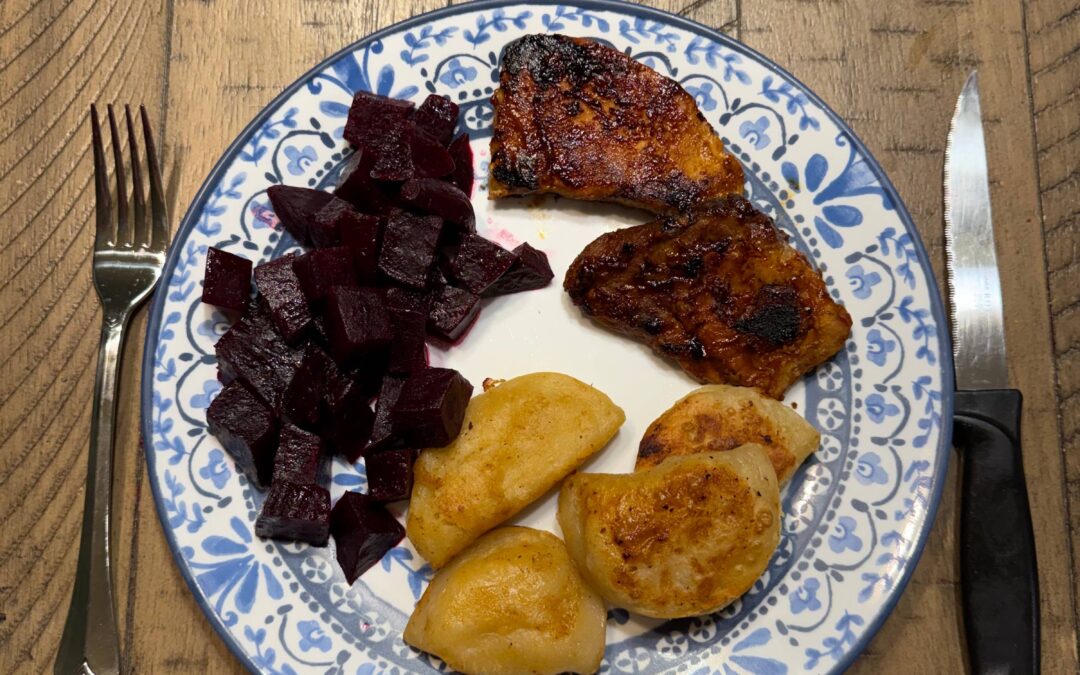
If you’ve cooked one of our roasts, fried up bacon, or filled your freezer with our meat, we’d love to see it. Don’t overthink it — real life photos are exactly what we’re after.
Why Comparing Our Prices to the Grocery Store Isn’t Fair (and That’s Okay)
We want to take a moment to explain something we know comes up often: comparing small-farm meat prices to grocery store prices.
Grocery stores don’t raise their own meat. Animals are often born on one farm, sold through an auction, raised on another, and shipped again to be processed — sometimes crossing provinces or countries along the way. In many cases, no one can tell you exactly how old the animal was, what it ate throughout its life, or how far it was transported.
We can.
We can tell you where each animal lived, what it ate, how it was handled, and how far it traveled. That level of transparency only comes from raising animals ourselves.
Large stores buy and sell meat in massive quantities, spreading their costs across hundreds or thousands of animals and products. Meat is only one small part of their business, so costs like staff wages, utilities, and infrastructure are shared across everything they sell.
For us, those same costs — pasture, winter feed, fencing, fuel, equipment breakdowns, and processing — are carried by a very small number of animals.
Some processing facilities also use additives to extend shelf life so meat can stay fresh instead of frozen. We don’t do that. Our meat is frozen because it’s just that — straight beef or straight pork, nothing added. On our scale, freezing is the only safe and honest way to store it.
We currently raise and process just a few beef animals each year. That’s less than what large operations process in a single day. Store employees are paid hourly. Hired farm help is paid hourly.
But farmers — us — are not.
If we factored an hourly wage for ourselves into our meat prices, the cost would be far higher than what most people could afford. That may sound strange, and maybe even wrong to some people — and honestly, they wouldn’t be completely wrong.
So why do it?
Because farming is a way of life. We work incredibly hard to raise animals we’re proud of and to feed people food we believe in. It’s what we know, it’s what we’ve always done, and it’s what feels right for our family.
Yes, we try to become more efficient where we can. And yes, it might look like we have “a lot” from the outside. But like everyone else, we deal with rising bills, tight months, and hard decisions. We’re not sharing this for sympathy — only to explain that while prices have gone up, so have the costs behind raising these animals.
Some farms move animals to butcher weight faster using different feeds, additives, or growth aids. That works for them and their customers, and we don’t judge that. We simply choose to raise our animals differently, even if it takes longer and costs more.
We strongly believe in supporting other farmers, not tearing them down. What they do works for them. What we do works for us — and for the customers who choose to support our farm.
Thank you for being here, for asking questions, and for caring about where your food comes from.